
voltarise Logo voltarise Contact Us
Contact Us

Choosing Pots and Containers — Size, Drainage, Material

The foundation of successful container gardening. Learn what size pots you actually need, drainage requirements, and materials that survive UK winters.

8 min read Beginner April 2026
Margaret Thornbury

Margaret Thornbury

Senior Container Gardening Specialist

Horticultural specialist with 16 years' experience in urban container gardening and sustainable small-space cultivation across the UK.

Get the Basics Right

Container gardening isn't complicated, but it does depend on getting a few things right from the start. The pot you choose affects everything — how well your plants drain, whether roots get enough space, and whether your container survives a harsh winter. We're going to walk through what actually matters when you're selecting pots for your balcony or patio.

Most people overthink this. You don't need matching sets or expensive designer planters. What you need is containers that fit your space, drain properly, and can handle UK weather. That's it. The rest is just choosing materials and sizes that work for what you're growing.

Key Point

Drainage is non-negotiable. A beautiful pot with no drainage holes will kill your plants faster than anything else. Always check the bottom of any container before you buy it.
How Big Should Your Pots Be?

Size matters more than you'd think. Too small and roots get cramped, nutrients run out quickly, and you're watering constantly. Too large and soil stays wet too long, which causes root rot. You need the sweet spot.

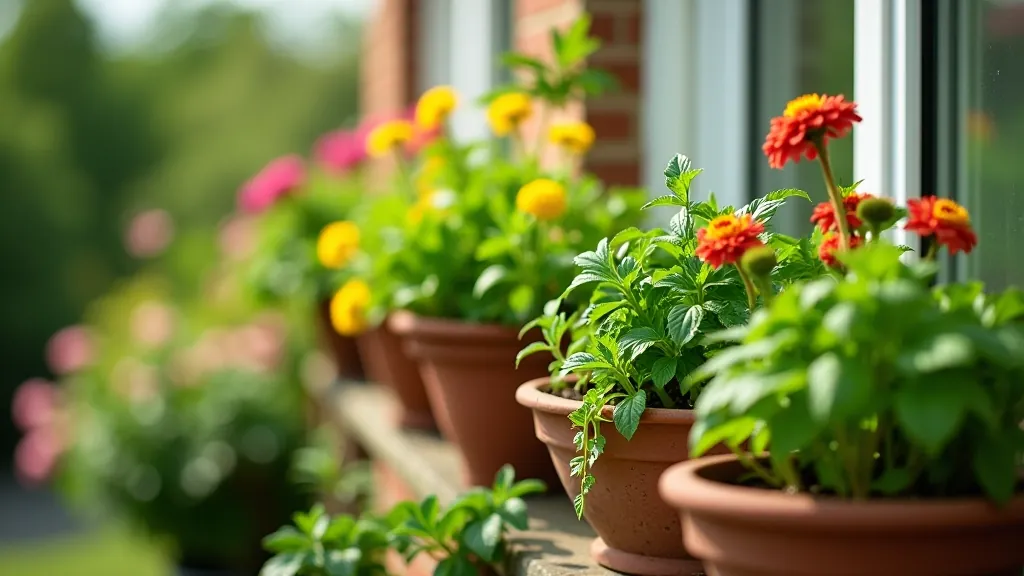
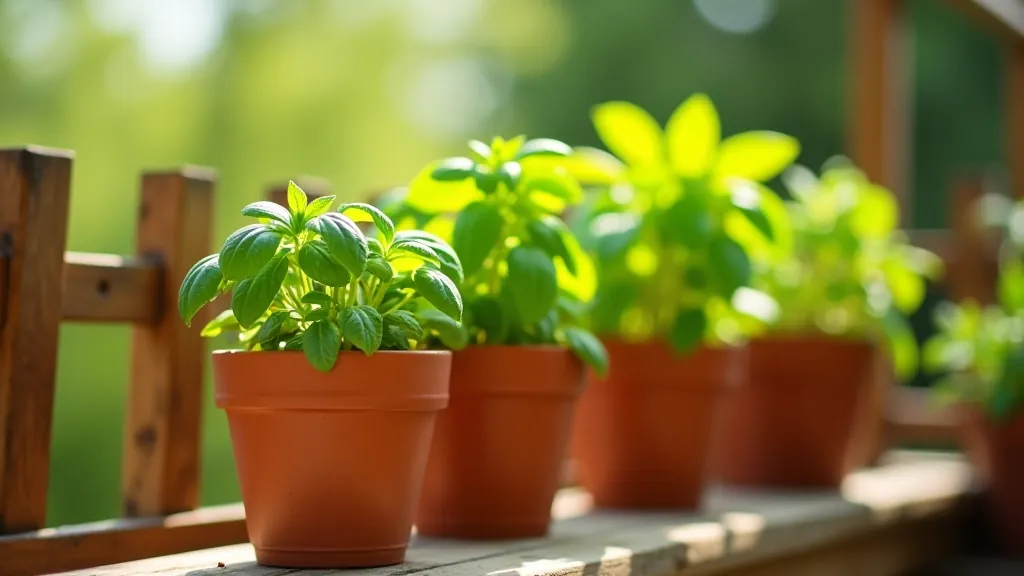
For most herbs and small flowering plants, a 20-30cm pot works well. That's roughly the size of a standard terracotta pot you'd find at any garden centre. Herbs like basil, parsley, and chives thrive in these sizes. They've got enough room for roots to spread, but not so much that soil becomes waterlogged.

If you're growing vegetables like lettuce or dwarf tomatoes, jump to 30-40cm. Root vegetables and bigger plants need that extra depth. A tomato plant in a tiny 15cm pot will produce leaves instead of fruit — not what you're after. The difference between success and struggling often comes down to those extra centimetres.

Selection of terracotta and ceramic pots in various sizes arranged in rows, showing 15cm, 25cm, and 35cm diameters for comparison
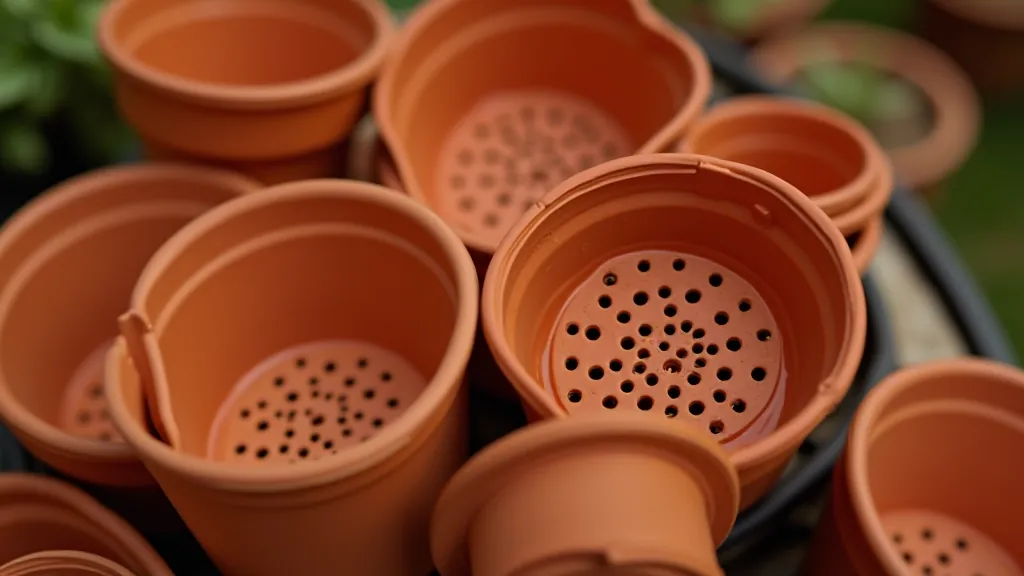
Close-up of drainage holes in the bottom of various terracotta and plastic pots, showing proper drainage setup

Drainage — Why It Can't Be Optional

This is where most beginners struggle. Drainage holes aren't a nice-to-have feature. They're essential. Without them, water pools around roots and they rot within weeks. You'll think you've killed the plant by under-watering, but it's actually the opposite.

Look for pots with multiple drainage holes in the bottom. A single small hole isn't enough. Two or three holes of about 5-10mm diameter work well. Some people worry about water dripping onto patios or balconies below. Put a saucer underneath — problem solved. The saucer catches excess water, and you empty it after watering. Simple as that.

If you fall in love with a pot that doesn't have drainage holes, you've got options. Drill some yourself if it's ceramic or plastic. Or use it as a decorative outer pot and place a smaller draining pot inside it. It's an extra step, but it works.

Information Note

This guide provides educational information about container selection for gardening. Individual growing conditions vary based on location, climate, plant type, and local weather patterns. Always refer to specific care instructions for the plants you're growing, and consult local gardening resources for UK-specific advice on seasonal variations and weather challenges.

Material Choices for UK Weather

The material you choose affects how your containers age and whether they'll last through winters. Each has trade-offs. Terracotta looks beautiful but it's heavy and cracks in frost. Plastic is lightweight but can look cheap. Ceramic offers a middle ground. Understanding these differences helps you pick what works for your situation.

Terracotta

Classic, attractive, and porous — terracotta lets soil breathe. It's popular for good reason. The downside? It's heavy, breaks easily if dropped, and cracks during hard frosts. In UK winters, water soaks into terracotta pots and freezes. That expansion cracks the pot. If you want terracotta, bring pots indoors in December and January, or choose frost-proof varieties.

Plastic

Lightweight, durable, and frost-proof. Plastic pots survive harsh winters without cracking. The trade-off is they're not as attractive, and plastic can degrade in strong sunlight. They're practical for balconies where weight matters or if you move pots around frequently.

Ceramic and Glazed Pots

These sit between terracotta and plastic. Glazed ceramic is frost-resistant, looks good, and feels more premium. They're pricier than basic options but worth it if you want containers that last several seasons and look attractive year-round.

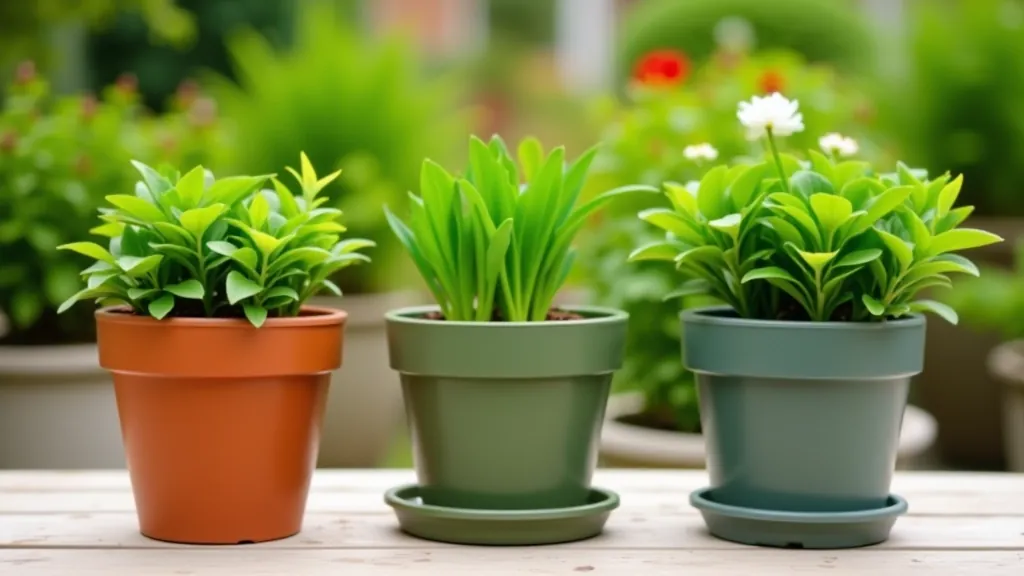
Different pot materials displayed side by side: terracotta, glazed ceramic, and plastic containers in a garden setting

Making Your Choice

For Most Gardeners

Start with 25-30cm ceramic or plastic pots with drainage holes. They're affordable, practical, and survive UK winters. You'll learn what works for your space without spending a fortune.

If Budget is Tight

Plastic pots do the job. They're the cheapest option, last for years, and drain properly. Group them together and they look fine. Function beats aesthetics when you're starting out.

For Visual Impact

Glazed ceramic or quality terracotta (moved indoors in winter) creates a more polished look. You're investing more money, but your balcony or patio looks intentional rather than temporary.

What Comes Next

Now that you've got the right containers sorted, the next steps are soil and plants. Drainage matters, but so does what you fill those pots with. The right compost makes a real difference — it's not just dirt. You'll want to understand what type of soil different plants need and how often you should be feeding them through the growing season.

Container gardening on a UK balcony or patio is genuinely achievable. Thousands of people grow herbs, flowers, and vegetables in pots year-round. The foundation is getting these basics right — size, drainage, and material. Everything else builds from there. You've got this.

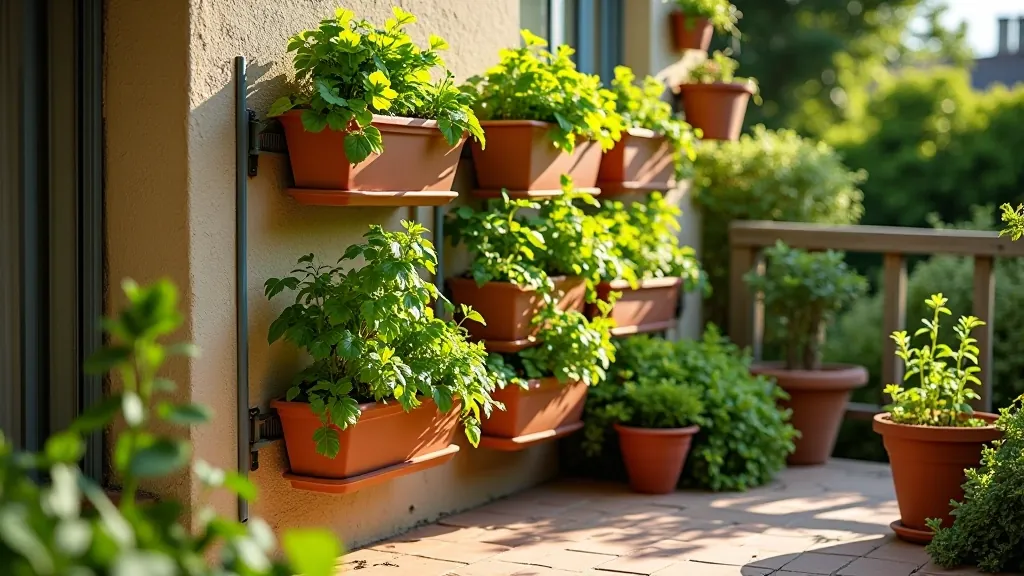
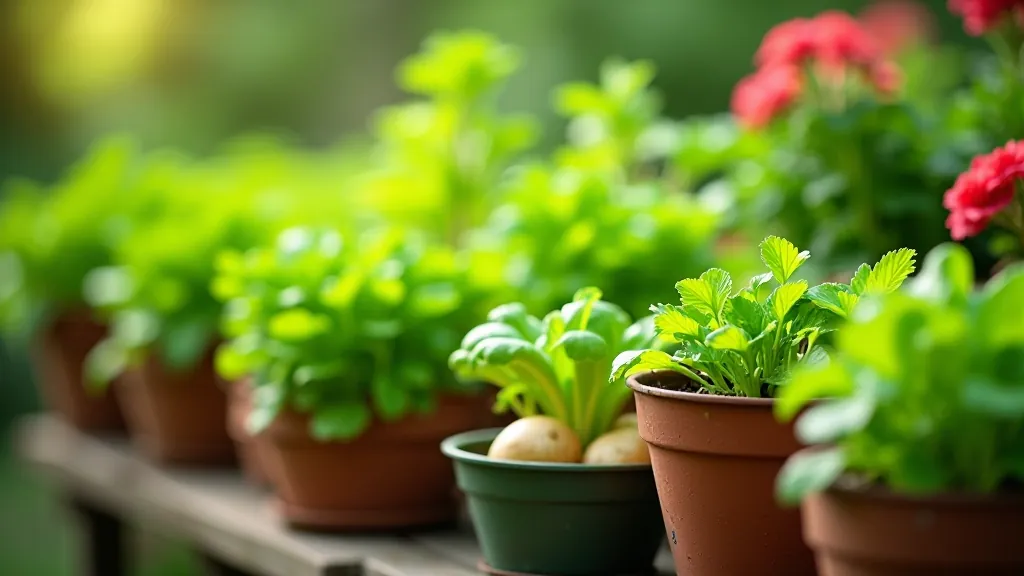
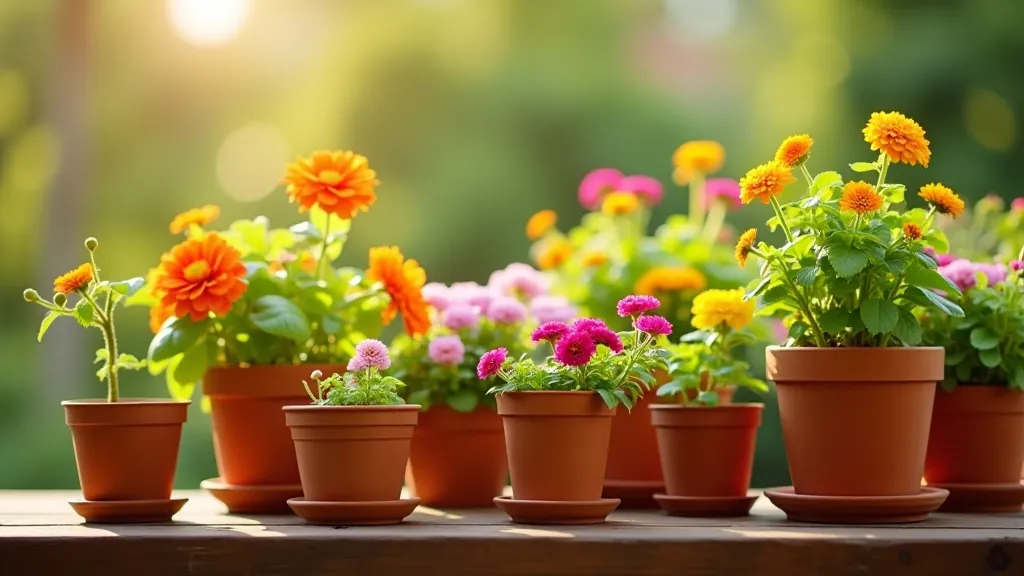
Mature container garden on a UK balcony with various sized pots containing herbs, flowers, and vegetables in full growth