Why Start With Herbs?
Growing herbs on a window box is one of the easiest ways to get started with container gardening. You don't need much space, and they'll grow pretty much anywhere with decent light. The best part? You'll actually use what you grow — fresh basil for pasta, mint for tea, parsley for literally everything.
Most herbs are forgiving. They won't die if you forget to water them once in a while, and they don't need fancy fertilizers. What they do need is the right setup from the start. Get the basics right — container, soil, and location — and you're halfway there.
Choosing the Right Container
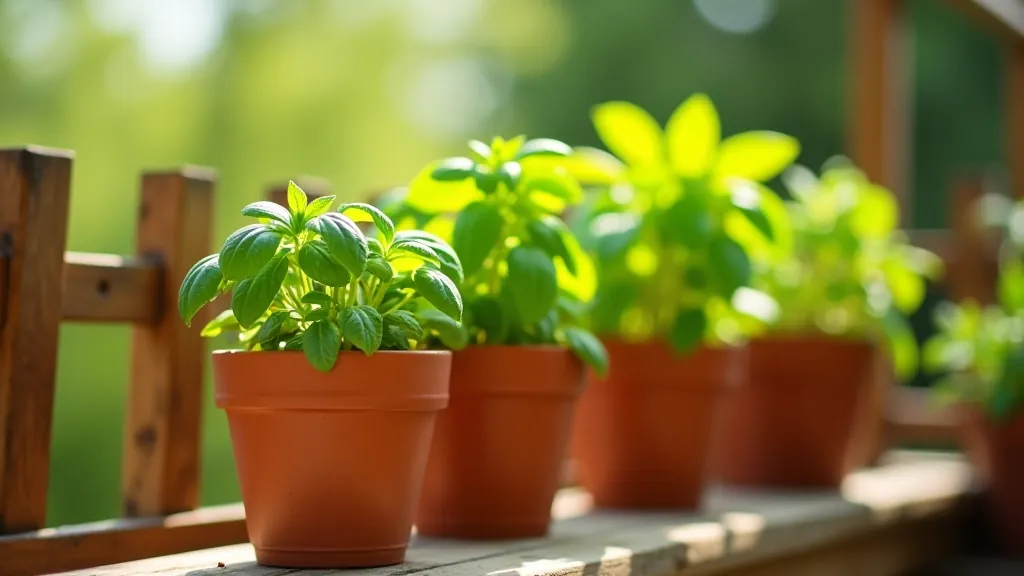
The container is everything. You'll see window boxes made from plastic, terracotta, ceramic, and wood. Here's what actually matters: drainage and size.
Every single pot needs drainage holes. This isn't optional. Herbs hate sitting in wet soil, and without drainage, that's exactly what happens. Water builds up, roots rot, and you've got a dead plant in two weeks. If you find a beautiful box without holes, you can drill them yourself — it's not hard.
For size, most herbs are happy in containers 6-8 inches deep. If you're growing just a couple of herbs, that's plenty. A standard window box that's 24 inches long works perfectly for 3-4 small herbs planted close together. Terracotta is lovely and breathes well, but it dries out faster than ceramic or plastic. On a hot, windy UK balcony, that might mean watering every couple of days in summer. Ceramic and plastic stay moist longer, which can be a bonus if you're forgetful.
Growing Conditions Vary
This guide provides general information about growing herbs in window boxes across the UK. Growing success depends on your specific location, weather, sun exposure, and watering habits. Always check individual herb requirements before planting, as some thrive in shade while others need full sun. If you're growing edible herbs for consumption, wash them thoroughly before use.
Soil and Compost Matter
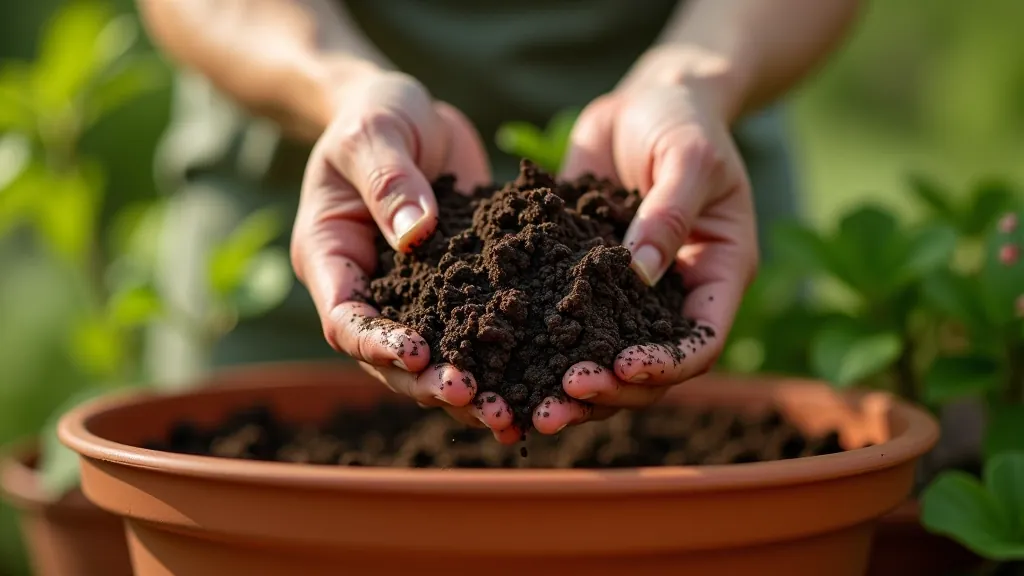
Don't use garden soil in your window box. Seriously. Garden soil compacts in containers and stays waterlogged. You need proper potting compost — it's specifically designed for containers and drains much better.
A good multipurpose compost works fine for most herbs. You can get bags at any garden centre for a few quid. Some gardeners add a bit of perlite or horticultural grit to make it even more free-draining, but it's not essential. Fill your box to about an inch below the rim, leaving room for watering.
If you're doing this regularly, buying compost adds up. Some people make their own mix using coir, peat-free alternatives, and compost from their garden bins. It works, but for your first box, just buy the compost. You'll learn what you prefer as you go.
Which Herbs to Grow
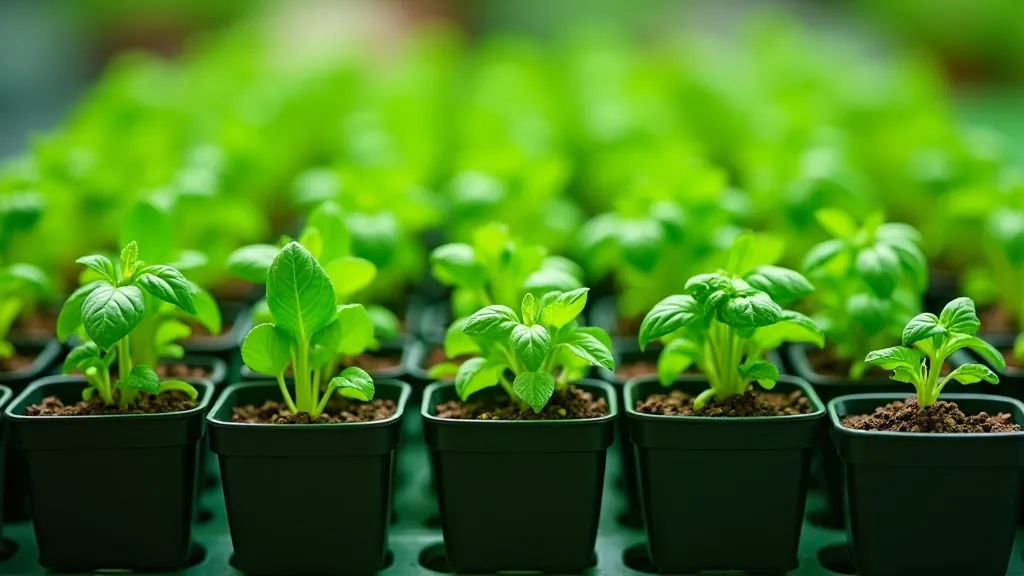
Start with herbs that won't frustrate you. Some are bullet-proof. Others need specific conditions and will just sit there looking sad if they're not happy.
Mint
Honestly, you can't kill mint. It grows everywhere, even in shade. Just keep it contained — it spreads like wildfire and'll take over if you let it.
Basil
Loves sun and warmth. Give it at least 6 hours of direct light daily, keep it moist (not soggy), and pinch off the flower heads. You'll have basil all summer.
Parsley
Tolerates partial shade better than basil. It's slow to germinate from seed, so buy small plants. Flat-leaf parsley tastes better than curly.
Thyme
Incredibly tough. Needs sun and well-drained soil. Once it's established, it barely needs watering. Excellent for sunny south-facing balconies.
Watering and Basic Care
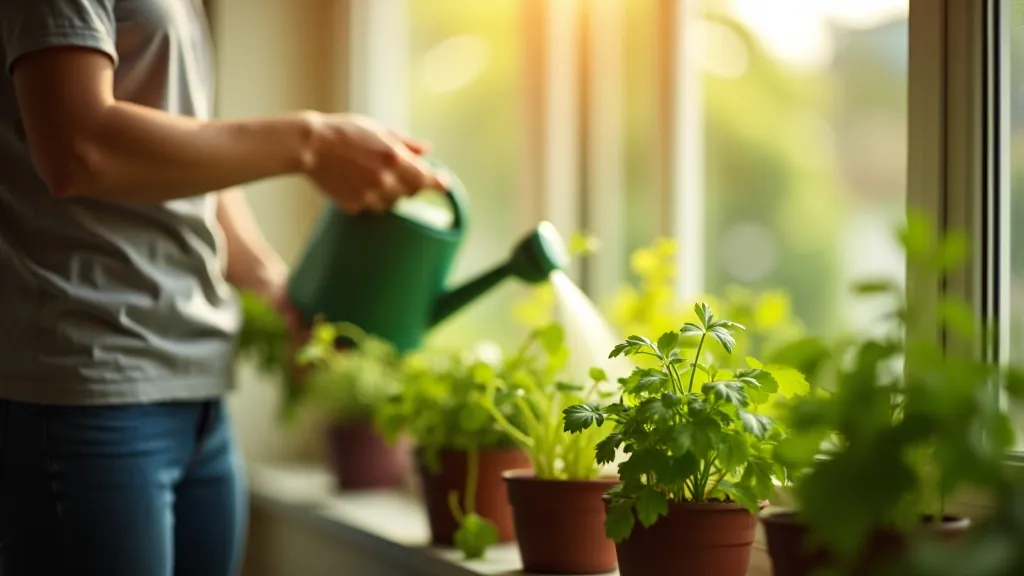
Water when the top inch of soil feels dry to the touch. Don't water on a schedule — water when the plant needs it. This changes with seasons. In spring and autumn, you might water twice a week. In summer, every day or even twice a day on hot days. In winter, barely at all.
The best way to check? Stick your finger in the soil. If it's dry, water. If it's moist, leave it. Overwatering kills more herbs than underwatering does.
Pinching is important. When your herb gets about 6 inches tall, pinch off the growing tip. This sounds mean, but it makes the plant bushier and fuller. You're also harvesting as you go, which is the whole point. Use your herbs. Fresh mint in tea, basil on pizza, parsley in everything. The more you harvest, the more they'll grow.
Feed once a month during the growing season (spring through early autumn) with a diluted general-purpose feed. Nothing fancy needed. In winter, they're resting — don't feed them.
Your First Window Box Starts Here
Setting up a herb window box is straightforward. Get a container with drainage, fill it with proper compost, plant a few reliable herbs, and water when it's dry. That's genuinely all you need to start.
You'll make mistakes. Maybe you'll overwater something, or forget about your mint for three weeks and it'll come back anyway. That's fine. Gardening is trial and error, even with herbs. The good news is that herbs are forgiving, and you'll learn what works for your specific balcony pretty quickly.
By summer, you'll have fresh herbs you actually grew yourself. There's something satisfying about that — picking basil for dinner that came from your own window box. Start small, keep it simple, and build from there.
Ready to explore more container gardening ideas?
Browse All Container Gardening Guides