Why Go Vertical?
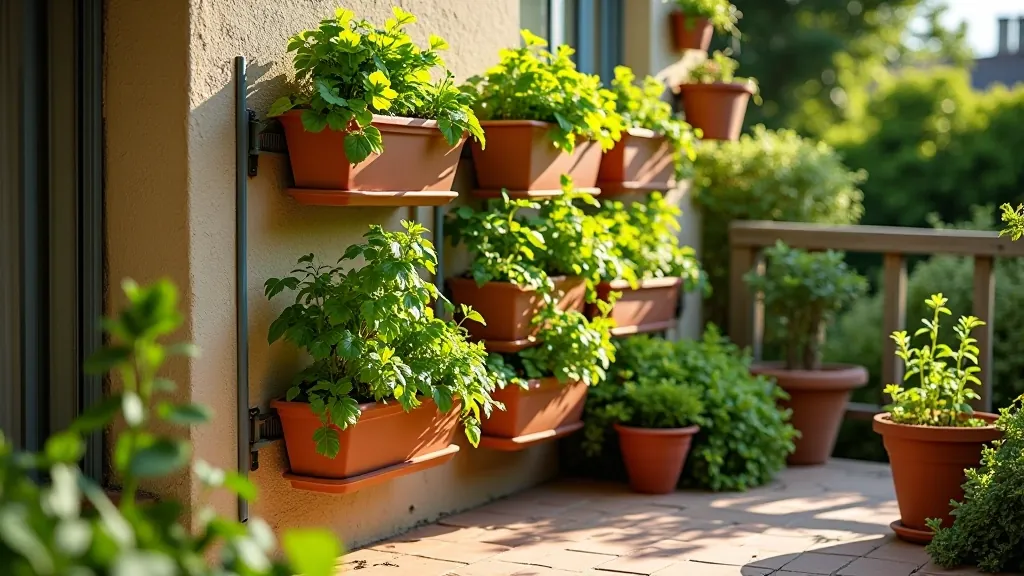
Space is precious on a UK balcony. You've got a few square metres at best, and that's if you're lucky. Vertical planters aren't just clever — they're practical. They give you room to grow without eating up your sitting space.
When you stack plants up the wall instead of spreading them across the floor, you're looking at 3 to 4 times more growing area. That's genuinely significant when you're trying to squeeze in herbs, flowers, and maybe a tomato or two. Plus, there's something satisfying about watching a bare wall transform into a living green space.
The key is choosing the right system for your situation. Not every vertical planter works for every balcony — some need more maintenance, others won't handle strong winds. We'll walk through what actually works.
The Reality Check
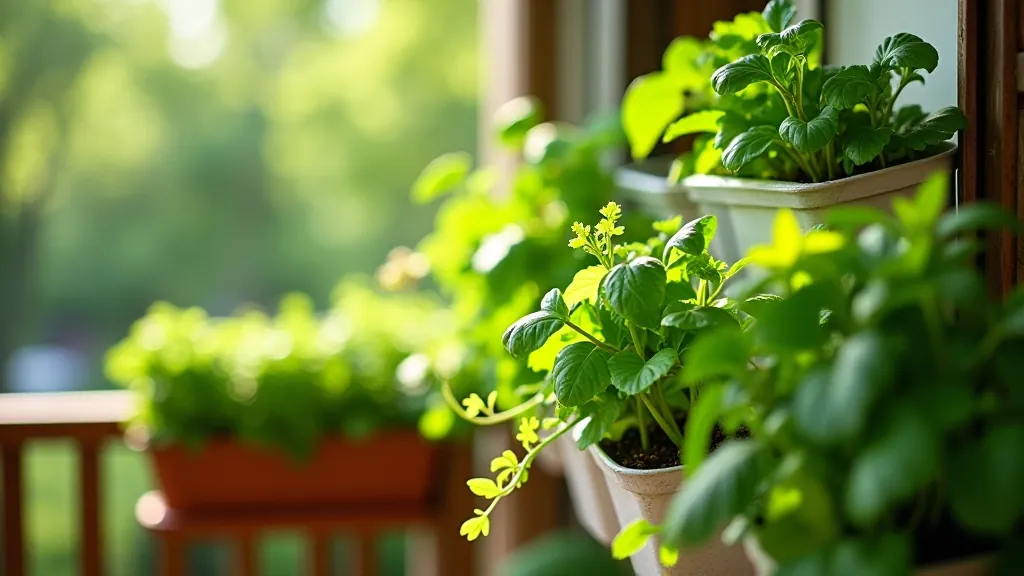
Vertical gardens do need more attention than ground-level pots. Water drains faster through stacked systems, especially on windy days. Soil dries out quicker too. If you're away for more than a week, you'll need a watering solution or the plants will suffer.
Wall-Mounted Pocket Planters
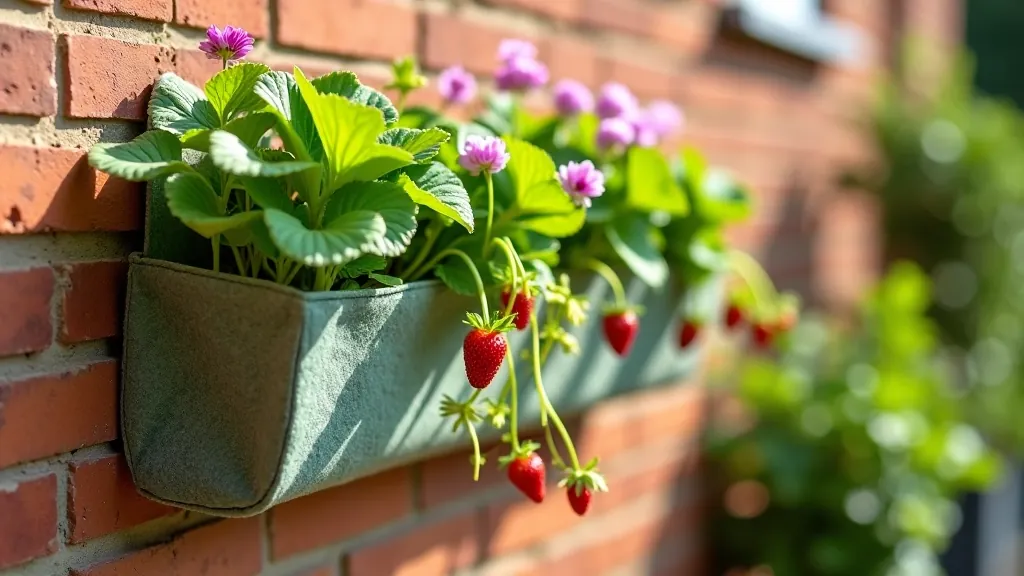
These are the most straightforward option for most balconies. Felt pockets attach directly to your wall or fence with screws or adhesive hooks. You fill each pocket with soil and pop in your plants. That's it.
They're lightweight — genuinely important if your balcony has weight restrictions. A typical wall with 36 pockets weighs around 8-10 kg when dry, maybe 15-20 kg when fully watered. Most balconies can handle that without issue.
The real advantage? Drainage. Water flows straight through the felt and down the wall. You don't get waterlogging or soggy soil. Strawberries, trailing herbs, and cascading flowers all thrive in these systems.
One downside is that the soil dries out quickly — sometimes in just 1-2 days during hot weather. Daily watering is realistic from May through September if you're in a sunny spot.
Installing a Pocket Planter: The Process
Choose Your Wall
Pick a spot that gets at least 4-6 hours of direct sun. Most balconies have a sunny side and a shaded side — the sunny side is better for herbs and vegetables.
Install the Frame
Use rawl plugs and 8mm screws for brick or concrete. For wooden railings, standard wood screws work fine. Mount the frame level — a spirit level takes 30 seconds and saves headaches.
Fill the Pockets
Use multi-purpose compost or a soil mix designed for containers. Fill each pocket to about 2 cm from the top. Water it in gently so everything settles.
Plant and Water
Start with young plants rather than seeds — they establish faster in a vertical setup. Water thoroughly after planting, then daily for the first week.
Tiered Stands and Tower Planters
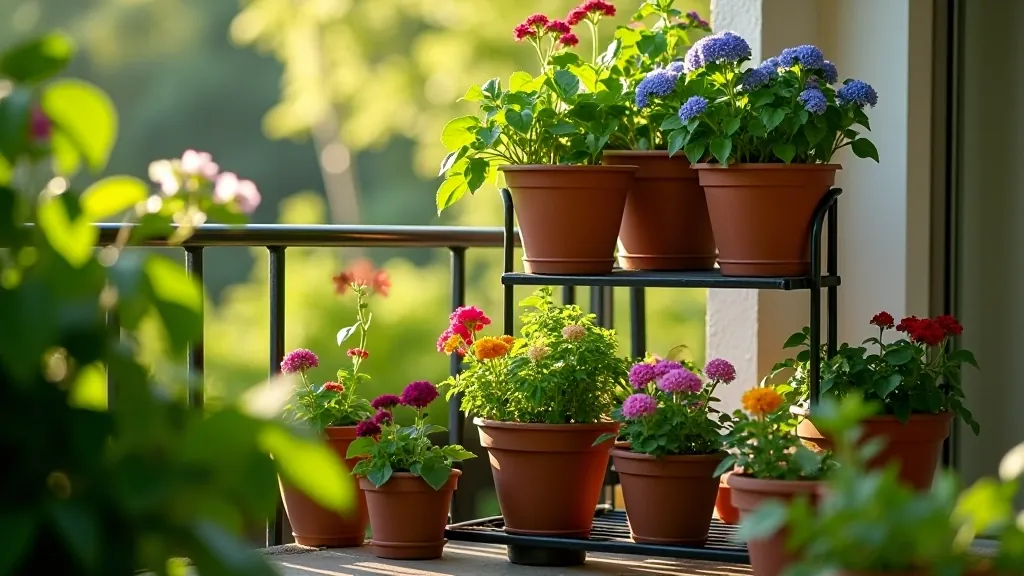
If you don't want to drill into your wall, tiered stands are your answer. They're freestanding structures that sit on your balcony floor. You get 3, 4, or sometimes 5 levels of growing space without touching the walls.
Metal or plastic stands are sturdy and weather-resistant. They typically cost between £40-100 depending on size and materials. The advantage is flexibility — you can move them around, adjust the angle, even take them with you if you move house.
The downside is footprint. A tiered stand takes up maybe 60x60 cm of floor space per unit. On a small balcony, that's noticeable. But if you've got a bit of room, they're brilliant for growing a range of plants without the wall-mounting hassle.
"The difference between a system that works and one that doesn't usually comes down to drainage and watering. Get those two things right, and you'll be surprised at what you can grow vertically."

What Actually Grows Well Vertically
Not everything works in a vertical setup. Heavy-fruiting plants like large tomato varieties need serious support. Climbing beans work better than bush varieties. Trailing plants — strawberries, trailing petunias, ivy-leaved geraniums — are your friends.
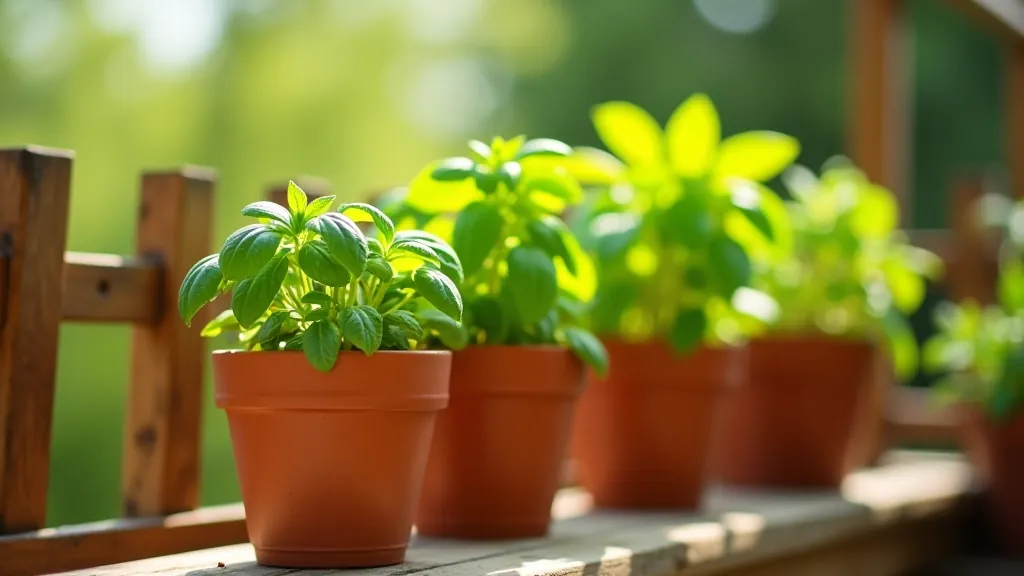
Herbs are the real winners here. Parsley, basil, thyme, oregano, and chives all thrive vertically. They're compact, don't need massive depth, and you can harvest regularly without the plant struggling. Most herbs are also tolerant of slightly drier conditions, which helps on a windy balcony.
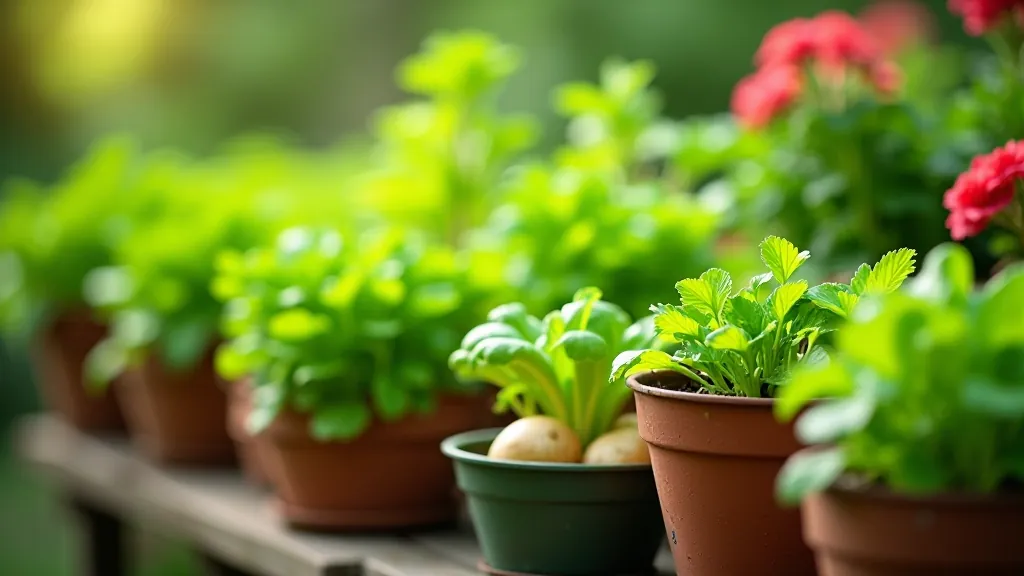
Leafy greens work too — lettuce, rocket, and mizuna are perfect for pocket planters. You can harvest leaves as needed without harvesting the whole plant. They'll keep producing for 2-3 months if you look after them.
Important Considerations
Before installing a wall-mounted system, check your lease or building regulations if you're renting. Some landlords restrict what you can attach to balcony walls. Pocket planters don't usually cause damage, but it's worth confirming. Weight restrictions on balconies vary — if you're planning multiple systems, it's worth checking with your building's management or surveyor. And remember, vertical gardens do require regular maintenance. If you're away frequently or don't enjoy daily watering, a tiered stand might be less demanding than a wall system.
Making It Work on Your Balcony
Vertical gardening transforms a cramped balcony into a genuine growing space. The system you choose depends on your walls, your time availability, and what you want to grow. Wall-mounted pockets are brilliant for herbs and cascading flowers. Tiered stands give you flexibility and need less maintenance. Either way, you're tripling or quadrupling your growing area without sacrificing sitting space.
Start small if you're new to this. One pocket planter or a single tiered stand is enough to learn how the system works in your specific spot. You'll quickly figure out watering schedules, which plants thrive, and what adjustments your setup needs. Then you can expand.
The key is that vertical systems do work — genuinely well. But they work best when you match the system to your balcony conditions and commit to regular watering during the growing season. Get those fundamentals right, and you'll have a thriving vertical garden that actually produces results.